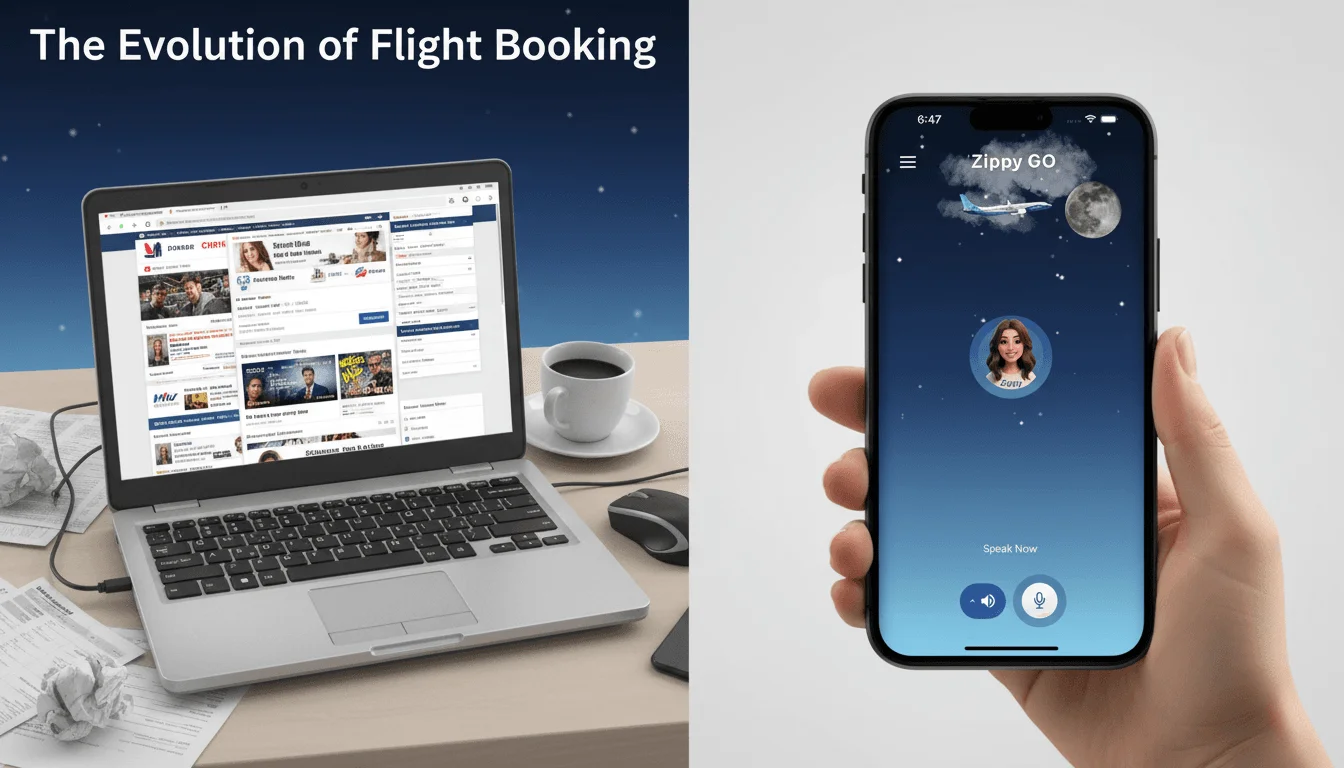
Introducing ZippyGo: World's Voice-First Flight Booking App
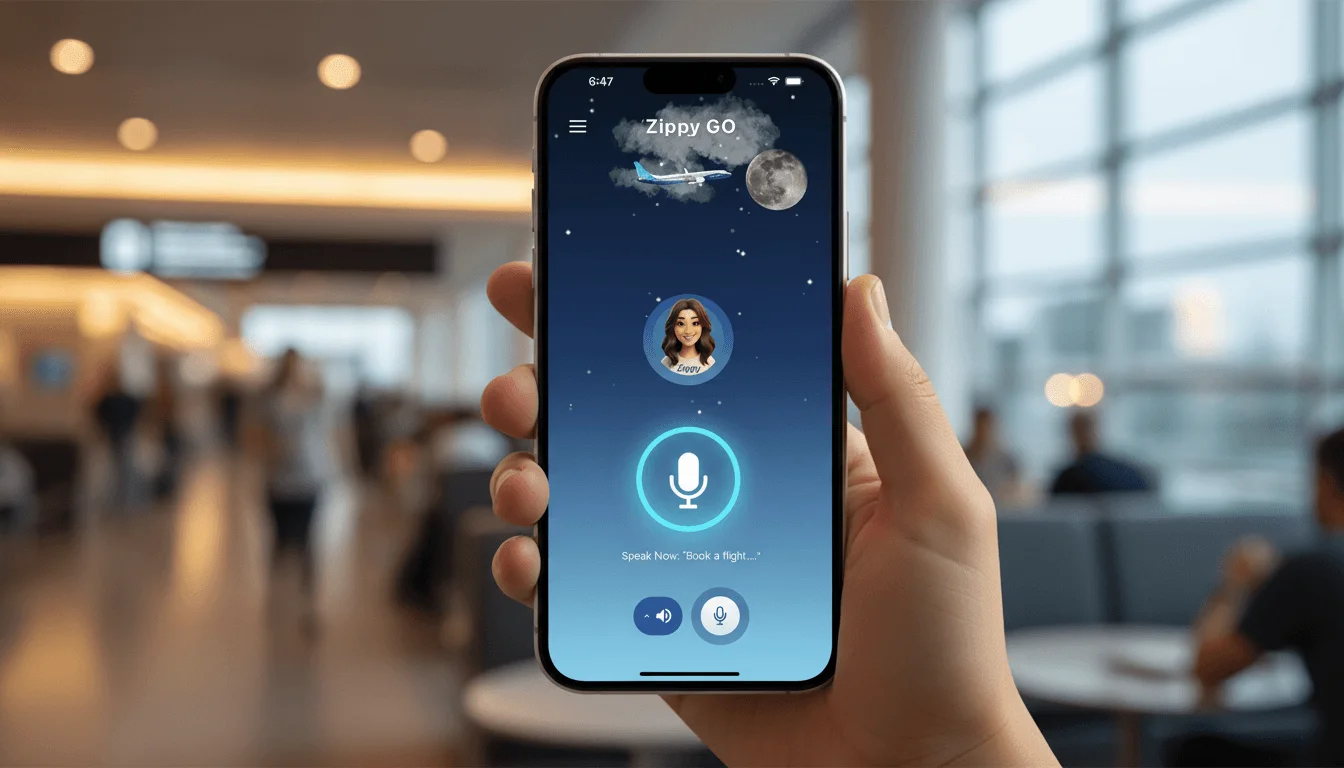
A New Way to Book Flights
Booking a flight has always been a task that requires time and attention. Even with modern apps and websites, the process still involves typing destinations, selecting dates, applying filters, comparing prices, and double-checking details before making a final decision.
For many travelers, especially those who book flights frequently, this process feels repetitive and unnecessarily time-consuming. But what if booking a flight could be as simple as saying what you need? That's exactly the idea behind ZippyGo — a platform that reimagines flight booking by turning it into a conversation instead of a process.
What is ZippyGo?
ZippyGo is the world's voice-first flight booking app designed to help users search, compare, and book flights using just their voice. Instead of navigating through multiple screens or entering details manually, users can simply speak their travel plans.
For example, saying something like, "Book a flight from New York to Chicago tomorrow morning," allows the app to instantly understand the request and present the best available options. At its core, ZippyGo is powered by artificial intelligence that can interpret natural language, identify user intent, and deliver relevant flight results within seconds.
Why ZippyGo Was Created
The idea behind ZippyGo comes from a simple but powerful observation — people don't actually enjoy booking flights. They only care about the outcome. Traditional booking platforms focus on giving users more control through filters and options. While this can be useful, it often adds complexity and slows down the decision-making process.
ZippyGo takes a different approach. Instead of adding more features, it removes unnecessary steps altogether. The goal is not to improve the old system, but to replace it with something simpler, faster, and more intuitive.
How Voice Technology is Changing Travel
Voice technology is becoming a natural part of how people interact with digital products. From smart assistants to AI chat interfaces, users are increasingly comfortable speaking to technology instead of typing. In the travel industry, this shift is especially important. Travel planning often happens in dynamic situations — while commuting, during busy workdays, or in urgent moments when quick decisions are required.
ZippyGo fits perfectly into this new behavior. It allows users to interact with a travel platform in the most natural way possible — through conversation. This is not just a small feature upgrade. It represents a larger transition from interface-based systems to experience-based systems.
How ZippyGo Works in Real Life
Using ZippyGo feels surprisingly simple. When a user speaks a request, the app processes the input and breaks it down into key elements such as destination, travel date, and preferences. It then searches across multiple airlines, compares available options, and presents the most relevant results almost instantly.
What usually takes several minutes across different platforms can now be done in a matter of seconds. This speed is not just about convenience — it changes how people approach travel planning altogether.
Is ZippyGo Safe and Reliable?
ZippyGo ensures that users receive accurate flight options, transparent pricing, and proper booking confirmations. The platform is designed to maintain the same level of trust and reliability that users expect from established travel services. While the interface feels new and different, the underlying processes are built to meet industry standards.
Final Thoughts
ZippyGo is more than just another travel app. It represents a new way of thinking about how technology should work — simpler, faster, and more aligned with how people naturally communicate. They don't need to search, filter, or compare manually. They just need to ask.
And in that simple shift, ZippyGo introduces a powerful idea — that the future of travel might not be about better interfaces, but about removing them entirely.